


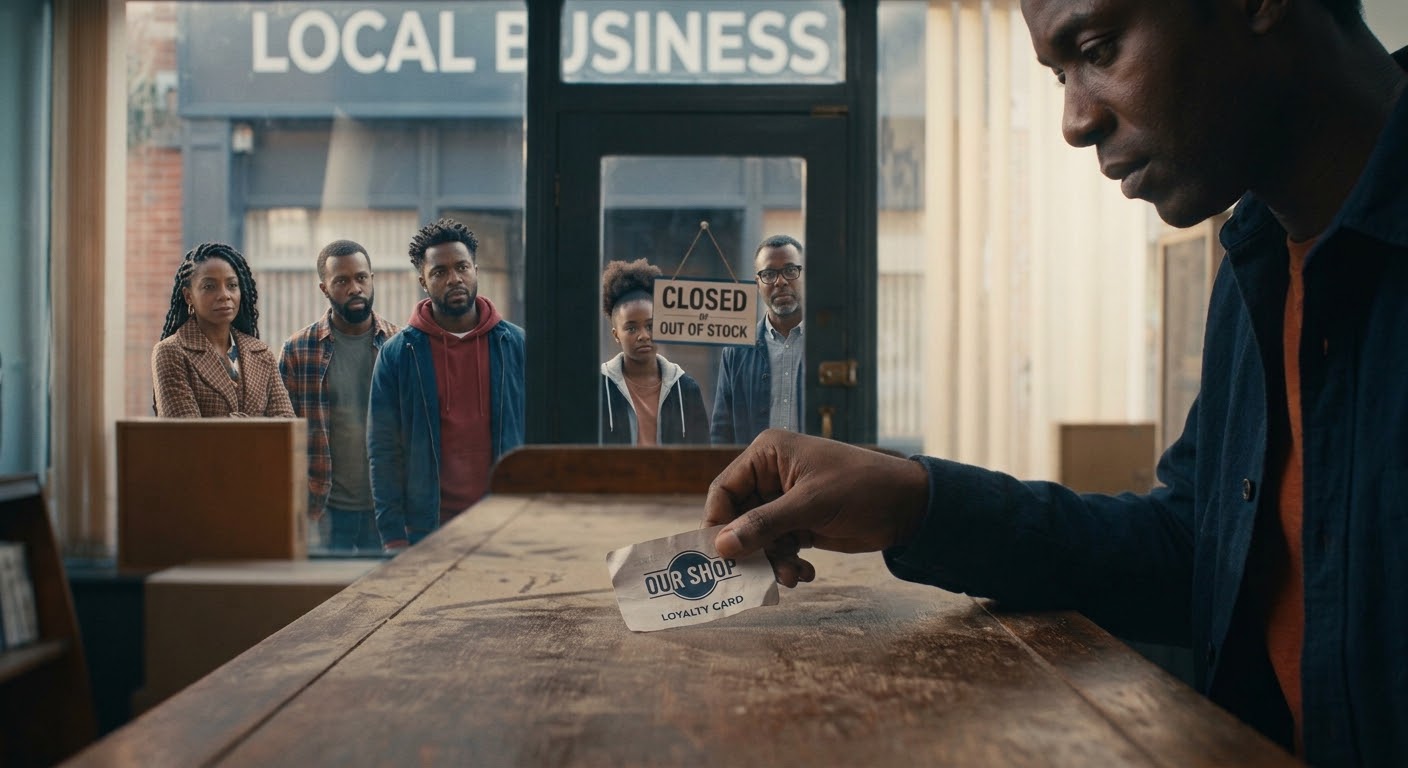
A customer doesn't always leave because your competitor is cheaper. Sometimes, they leave because of one small experience you thought didn't matter.
They may have bought from you for years. They may have recommended your business to friends. They may have trusted you enough to spend thousands or even millions of naira with you.
Then one day, they simply stop coming.
The difficult part is that many business owners don't know why.
Getting Customers Is Only Half the Job
Businesses spend a lot of time thinking about how to attract new customers: advertising, promotions, social media, discounts and referrals.
But there is another question that deserves just as much attention:
What makes a customer want to come back?
A business can spend heavily acquiring customers while quietly losing the customers it already has. That is an expensive problem.
1. Poor Customer Service
Customers remember how they were treated.
A customer may forgive a product being temporarily unavailable. They may even tolerate a slightly higher price if they consistently receive good service.
But being ignored, spoken to rudely, or treated as though their business doesn't matter can quickly change how they see a company.
And customers don't always complain before leaving. Sometimes they simply take their money somewhere else.
2. Long Waiting Times
Your customers have somewhere else to be.
If buying something from your business regularly means standing in a long queue, waiting for an employee to find a product, or spending too much time completing a simple transaction, frustration builds.
One slow experience might not matter. But repeated friction eventually becomes a reason to look elsewhere.
3. Inconsistent Experience
Imagine visiting a business today and receiving excellent service, only to return next week and experience something completely different.
Different prices. Different service. Different attitude. Different standards.
Customers value consistency because consistency creates trust.
Your business should not depend entirely on which employee happens to be serving the customer that day.
4. Employees Can Shape Your Brand
To a customer, the employee standing in front of them is the business.
The owner might be hardworking, honest and committed, but customers don't experience the owner's intentions. They experience the people representing the business.
That means employee training, supervision, accountability and communication are not just internal matters.
They directly affect the customer's decision to return.
5. Customers Notice When You Don't Listen
Customers constantly give businesses information.
They tell you when a product is difficult to find. They complain about waiting. They ask for products you don't stock. They point out problems with your service.
Not every complaint is reasonable, but repeated complaints can reveal patterns.
If ten customers complain about the same thing and nothing changes, the problem is no longer just the complaint.
The problem is that the business isn't listening.
6. Running Out of What Customers Want
Sometimes customers don't leave because of customer service at all.
They leave because they can't reliably get what they came for.
A customer who repeatedly hears "We're out of stock" may eventually stop checking.
This is particularly important for supermarkets, pharmacies, restaurants and other businesses where customers expect certain products to be available consistently.
Availability is part of customer experience.
7. Treating Loyal Customers Like Strangers
Your regular customers are valuable.
They already know your business. They already trust you. They don't need to be convinced from scratch.
Yet some businesses put all their attention into acquiring new customers while neglecting the people who have been buying from them for years.
Loyalty doesn't mean you should give away your products or offer unreasonable discounts. It means recognizing that repeat customers deserve a consistently good experience.
The Customer May Not Tell You Why They Left
This is one of the most important things business owners need to understand.
When a customer stops buying, you may never receive a message explaining what happened.
They may simply start buying from someone else.
That is why businesses need to pay attention to patterns rather than waiting for customers to complain.
Look at repeat purchases. Look at customer complaints. Look at product availability. Look at waiting times. Look at refunds and returns. Talk to your employees.
Your business is constantly receiving signals about the customer experience.
Ask Yourself These Questions
- How long does a typical customer wait before being served?
- Do customers frequently complain about the same problems?
- Are our employees consistently treating customers well?
- Do we regularly run out of popular products?
- Do we know why customers return to us?
- Do we know why some customers stop returning?
- What happens when a customer has a complaint?
- Are we actually acting on the feedback we receive?
Customer Retention Is a Business Strategy
Customer retention isn't simply about being friendly.
It is about building a business that consistently delivers what customers expect, removing unnecessary friction, solving problems quickly and giving people a reason to trust you again.
Marketing may bring someone through your door.
Your products may convince them to buy.
But their experience determines whether they want to come back.
Getting a customer is marketing. Keeping that customer is business.
The next time a regular customer stops buying from you, don't immediately assume they found a cheaper competitor.
Ask a more important question:
What changed about their experience with us?
Sometimes, the answer can reveal a problem in your business that you didn't even know existed.
Run Your Business With Better Information
Understanding customers is easier when your business has reliable information about sales, products, transactions and day-to-day operations.
JMart helps businesses manage sales, inventory and business operations while giving owners better visibility into what is happening inside their business.
Learn more about JMart POS and Inventory Management Software .